

Abandoned Nights
One style held across more films than anyone had time to watch
It had to finish whatever anyone handed it with nobody watching
A kiosk on the show floor of a global developer event, with nobody working it.
A stranger walks up, hands it a voice, a photo and a product idea, none of it vetted, and walks away a few minutes later with a finished 80s-style infomercial waiting behind a QR code. Unsupervised by design, not by accident.
One model, prompt-engineered end to end
A crew for the brief, a core for the render

Every decision this thing makes, it makes before it makes anything.
What somebody says out loud is not yet a scene, a likeness or a performance, and each of those is a separate way of being wrong: the line is directed the way a voice actor is directed, not typed into a box.
Which is what makes the check possible at all. A finished piece can only be judged once it exists, and on a live floor that means judging it in front of the person already waiting for it. A brief can be judged while it is still a few lines of text, on every pass, before a single frame has been rendered or a single second of audio spoken.



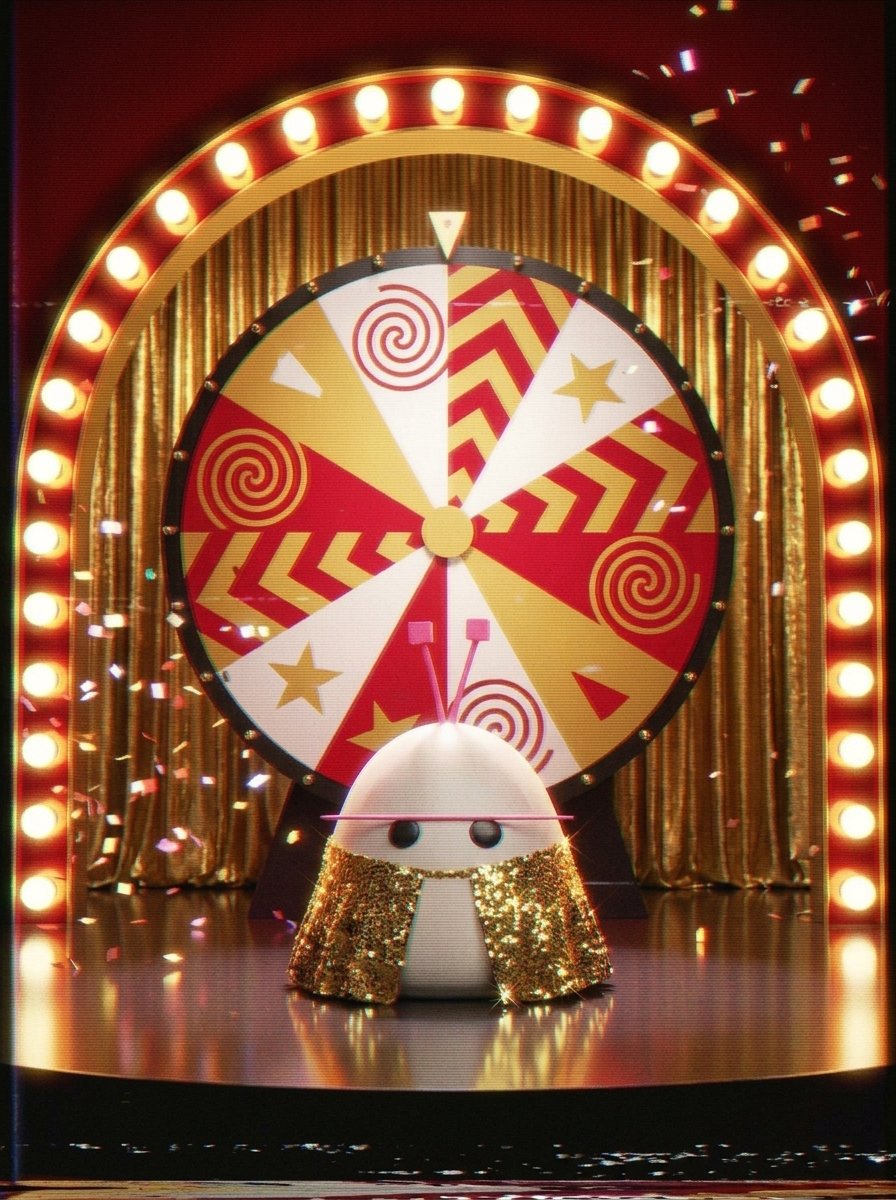
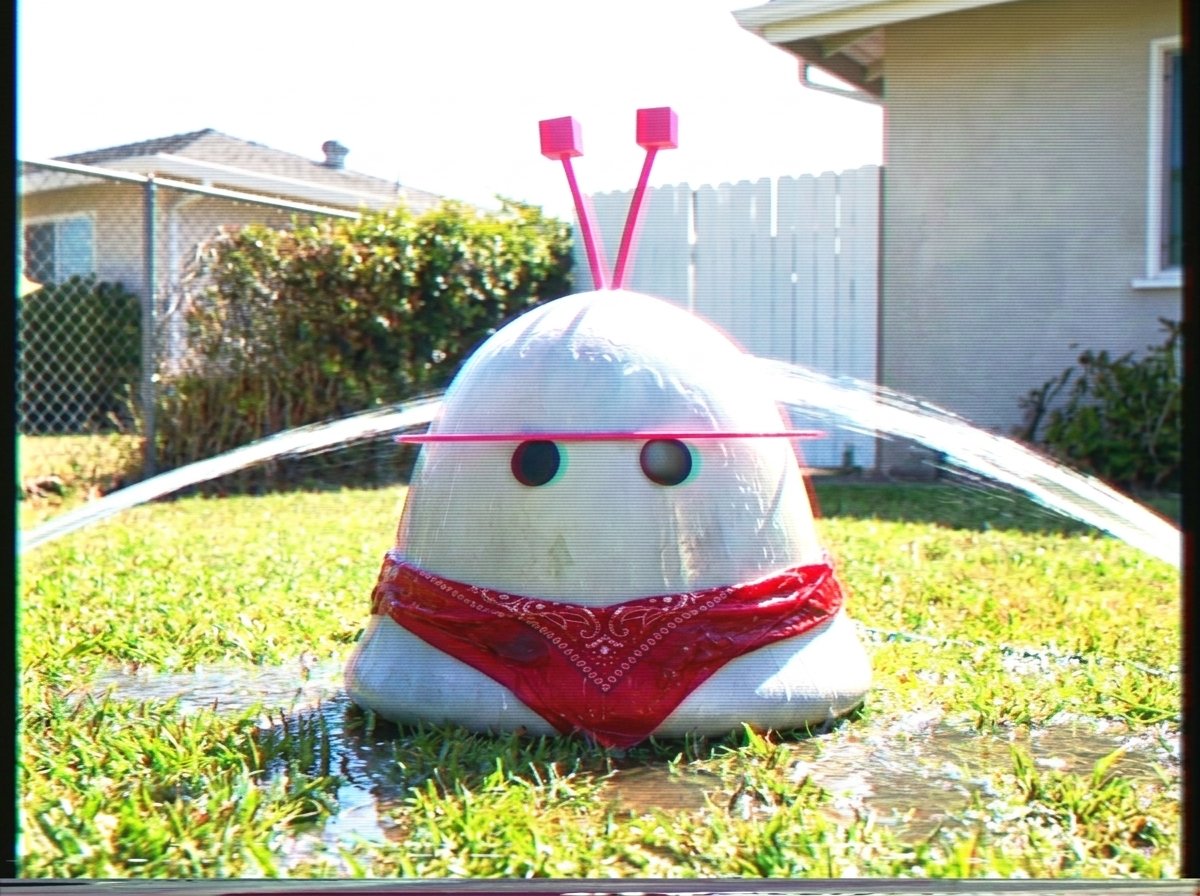
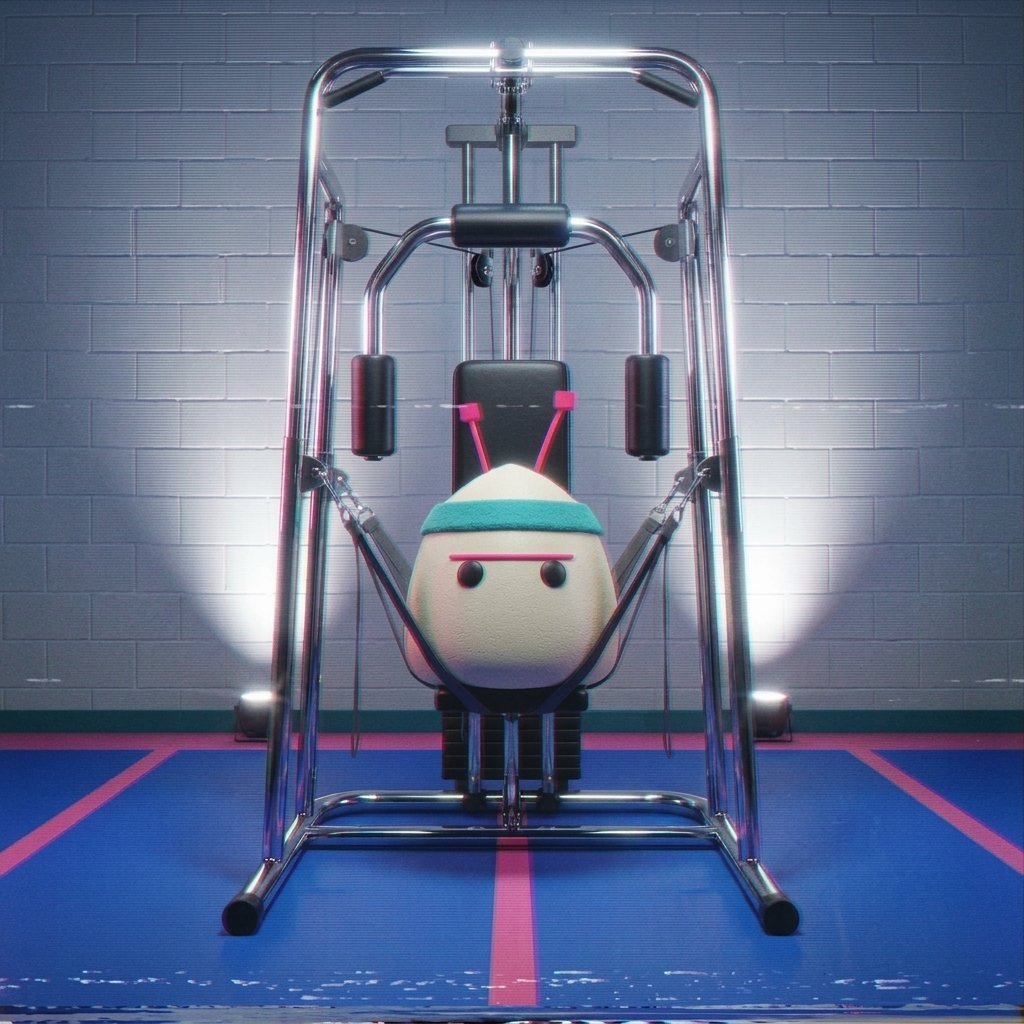
Every finished piece reached its stranger the same way, through the kiosk queue and out by QR code.
What stood to be lost was never a bad render. It was somebody's own face and voice, in a public place, on a screen with nobody standing next to it. It held under exactly the condition it was built for: a public queue, minutes after a stranger walked up, and nobody there with the authority to stop anything. And none of it was wired together for the week it ran: an auditable service, redeployable, so nothing in the moderation path expires when the floor is packed up.