

Fudi Club
Half a million reviews a week, and one name on the bill for all of it
The model was already trained. Authorship had to be built
There's no shortage of models.
One for faces, one for voices, one that turns a sentence into footage, another two released in the time it takes to read this. What's scarce is anywhere to put them.
This one came pre-trained, and it belonged to the people who asked for the work. Taught on their own character system, very good at a single trick: hand it a description and it gave back a character that looked like it had always lived in that world. It just had nowhere to do that. No counter, no queue, nothing to hand over afterwards.
So the brief was the building. Twice over, as it turned out: a page anyone could open on their own, and a stand on an event floor with a line waiting behind whoever was using it.
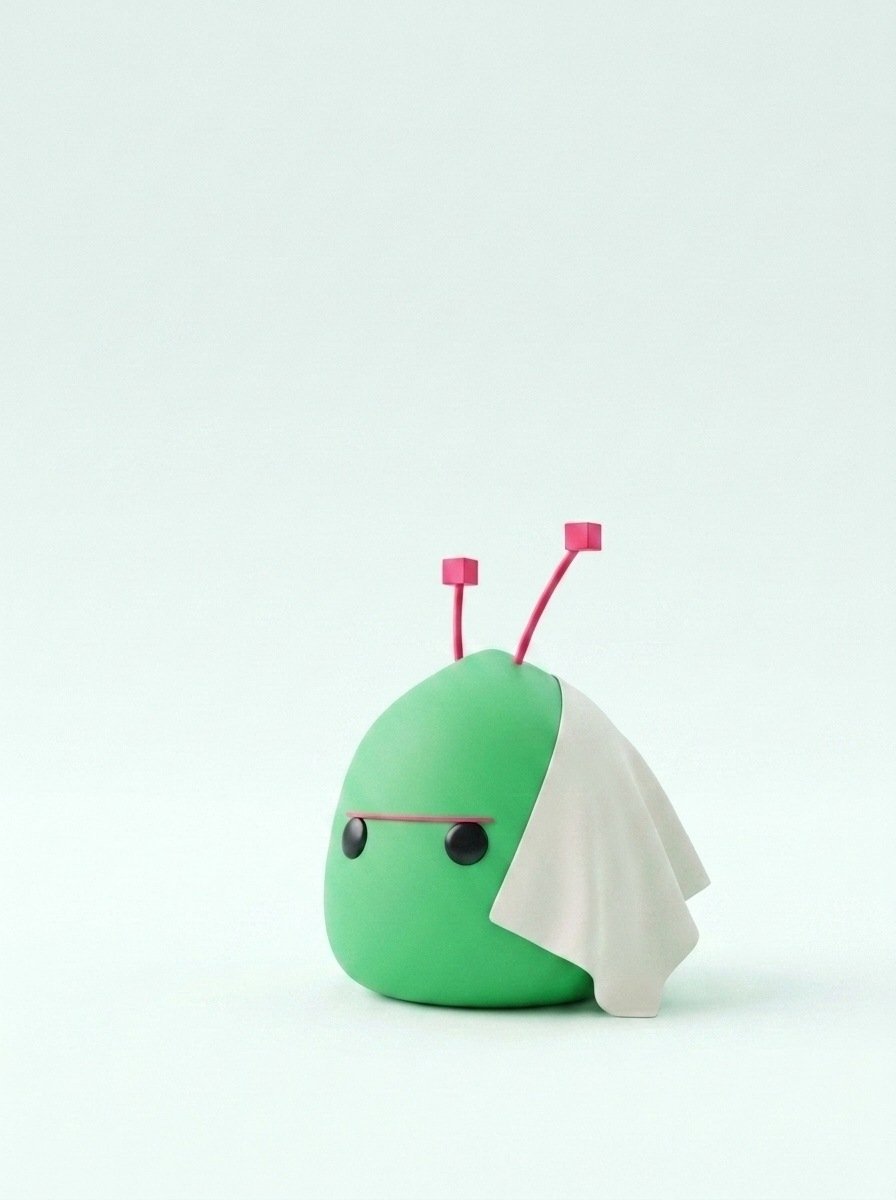
The instinct is to hand the model more of the job. Every decision that worked here went the other way.
The thin version of this build is a page with an upload field and a box to type in, and the model let off the leash behind it. It demos beautifully. It also means the model's worst day and the product's worst day are the same day, and that everything which isn't rendering is left unowned. What arrives. How long it takes. What anyone is left holding at the end.
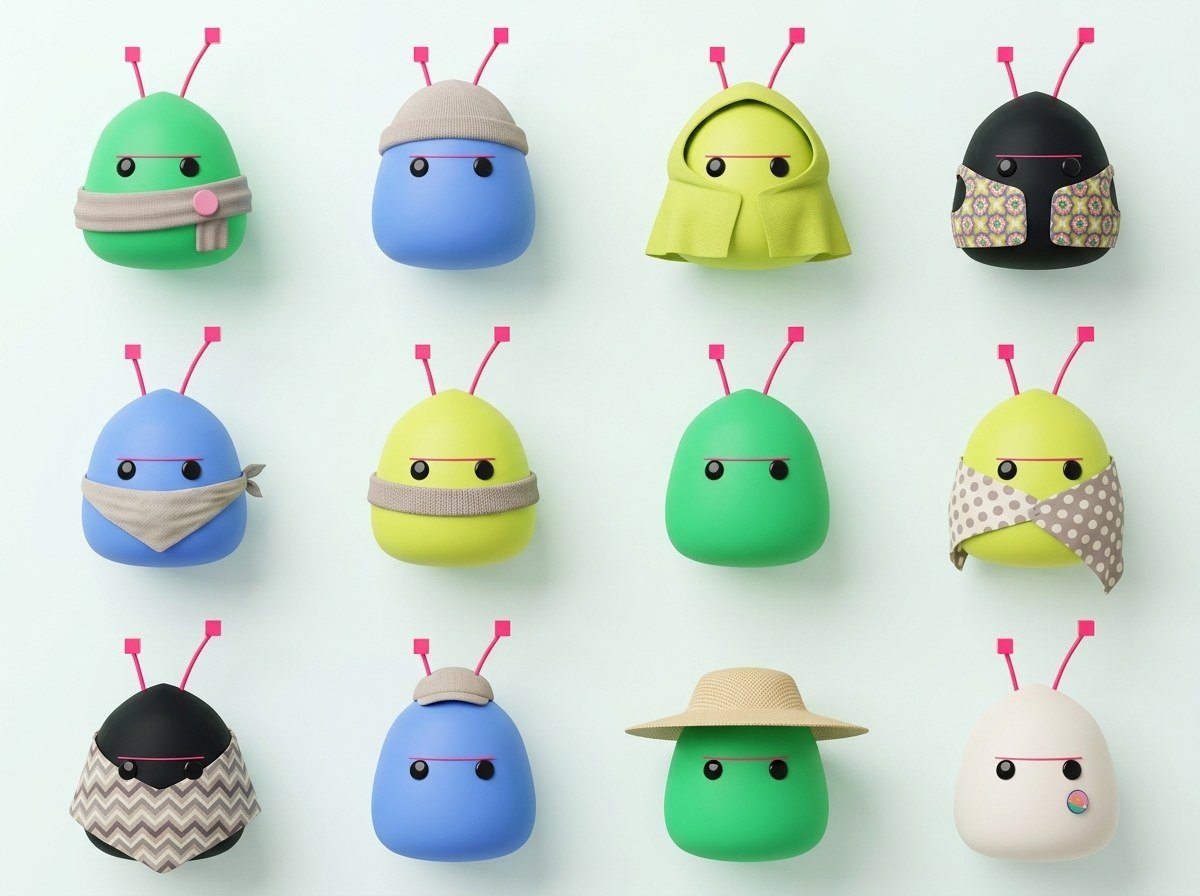
So the counter stopped asking people to describe things and started offering them instead, and everything on offer was something the model was already good at. Nobody had to be good at writing a prompt, and nobody got back that flat feeling of one that almost worked. What came back was a set of decisions somebody had made, rendered, which is a different thing from being sent something.
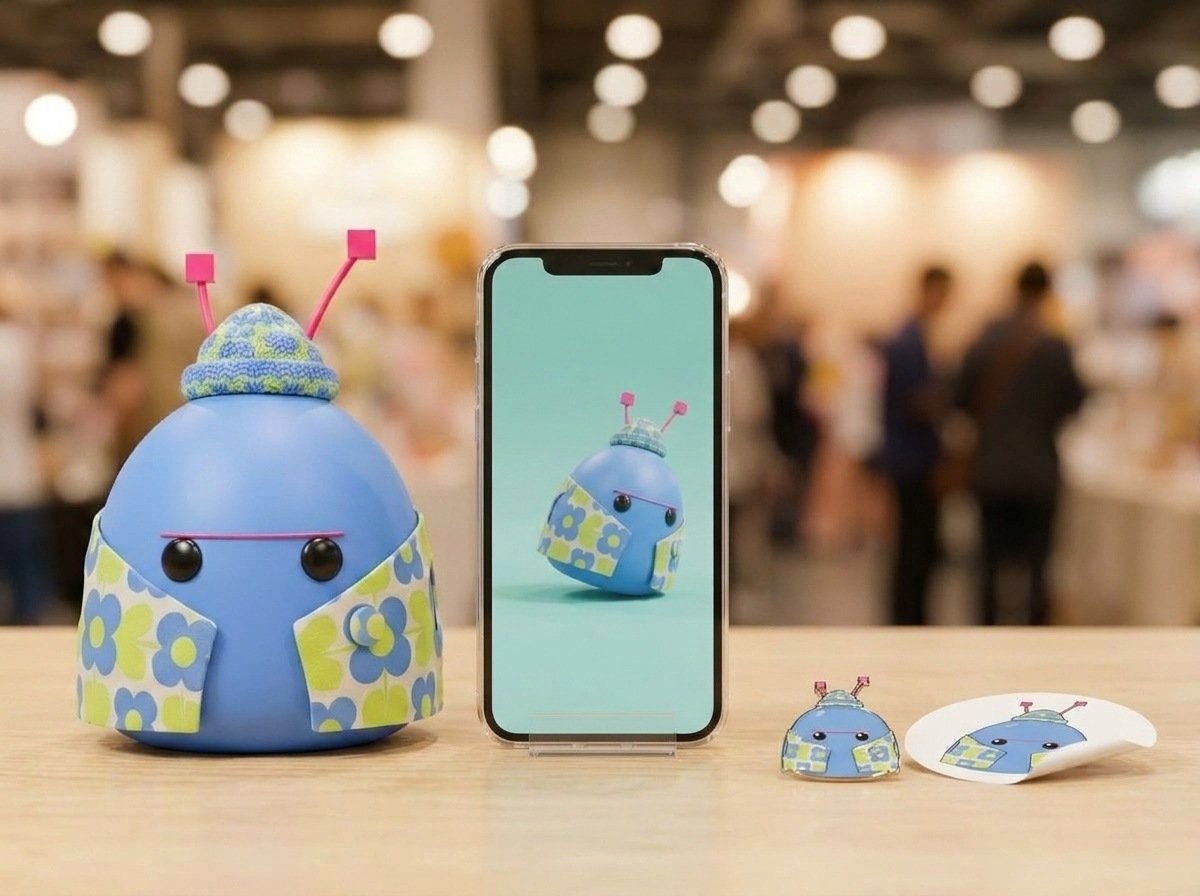
Then the handoff, which is the part that never gets budgeted and always gets remembered. One render came back and became three things, one to look at, one short enough to post, one you could put in a pocket, while the person was still standing there.
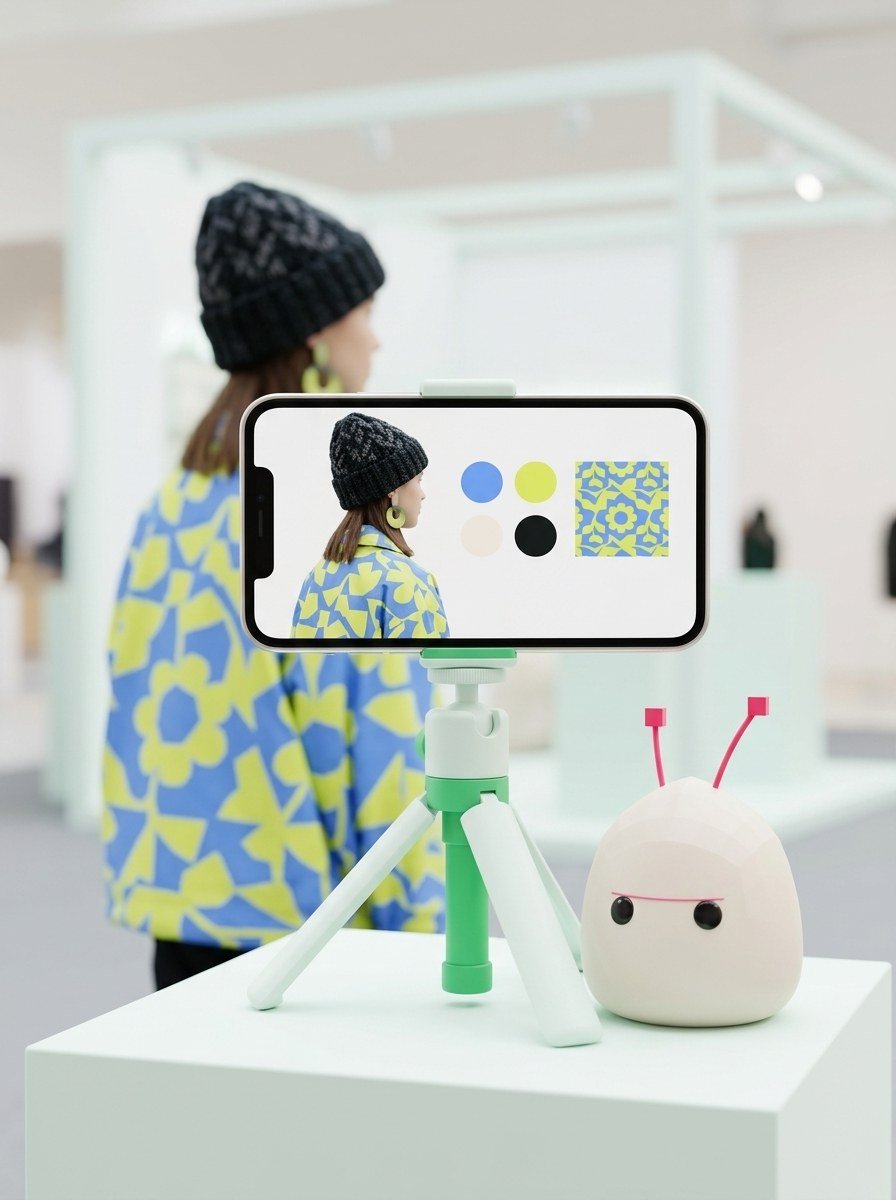
The photo went in and never came out. It got looked at once, where it landed, and what carried on from there was a short brief written in the only vocabulary this building speaks: a colour, a cloth, something worn, a mood. Curating what the model was allowed to receive, and in whose words, was a build of its own behind the counter, and it never touched the model itself.
That's an architecture decision before it's a privacy one, and it happens to settle both. A brief like that has no field for a face, so nothing personal travels. It has no field for somebody else's logo either, so that doesn't travel.
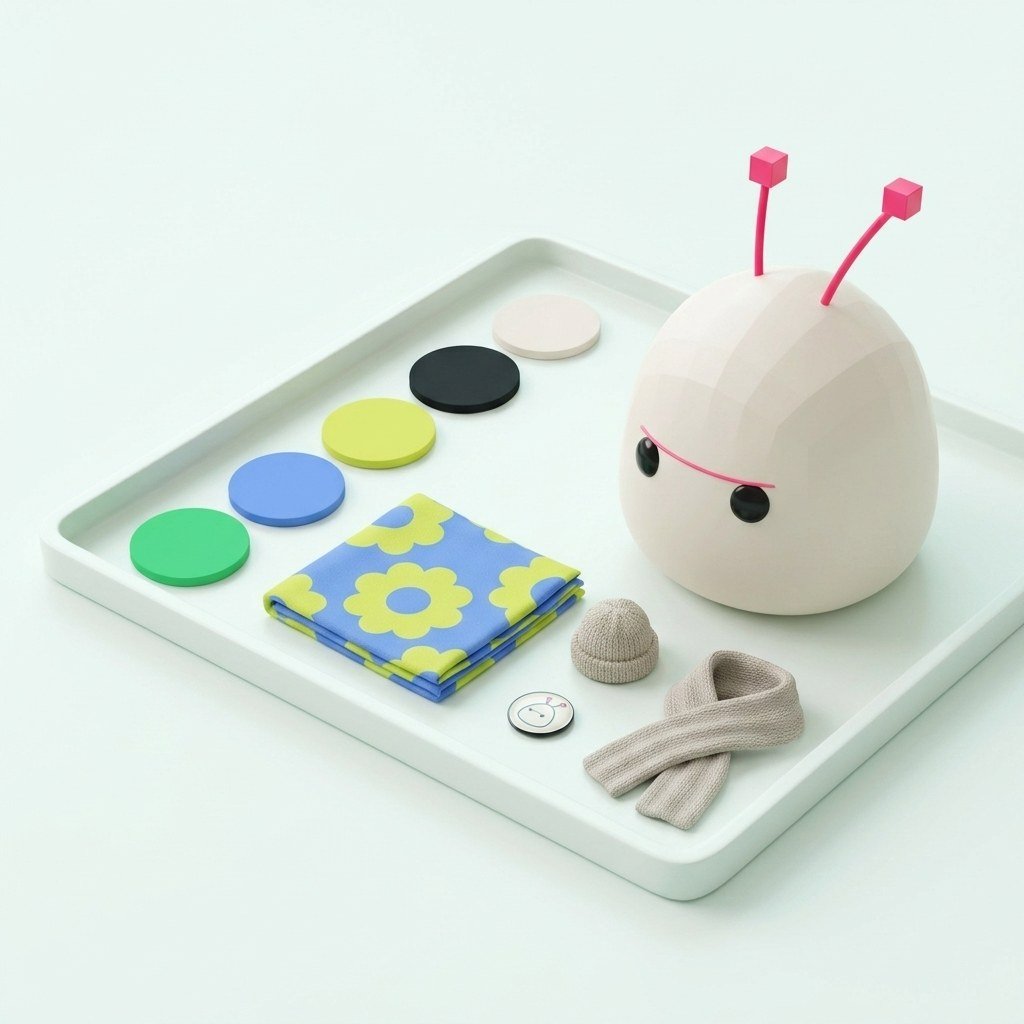
Choosing beats describing
A wardrobe rather than a text box. Every colour, every cloth, every worn thing on offer is something the model already renders well, so the freedom is wide and it's also shaped, and nothing on offer comes back looking like a mistake.
One photo, read once
A camera on a stand, or a phone already out of a pocket. What comes off it is a pattern, a few colours and a thing worn on the head. The photo gets looked at where it lands, and then it's finished travelling.
It leaves with whoever made it
Something to keep, something to post, something to carry out of the room, all off the single render that came back. Wait too long and the thing stops feeling like yours.
45,000+
downloaded and kept
It shipped twice off the same building. As a page anyone could open it made 53,000+ characters. As the live build it travelled to 13 events across 8 countries and made 5,634 more, each one handed over on the spot to the person who had just made it.
The download number is the one worth looking at, since nobody saves somebody else's brand. Same model both times. Different room, every time.